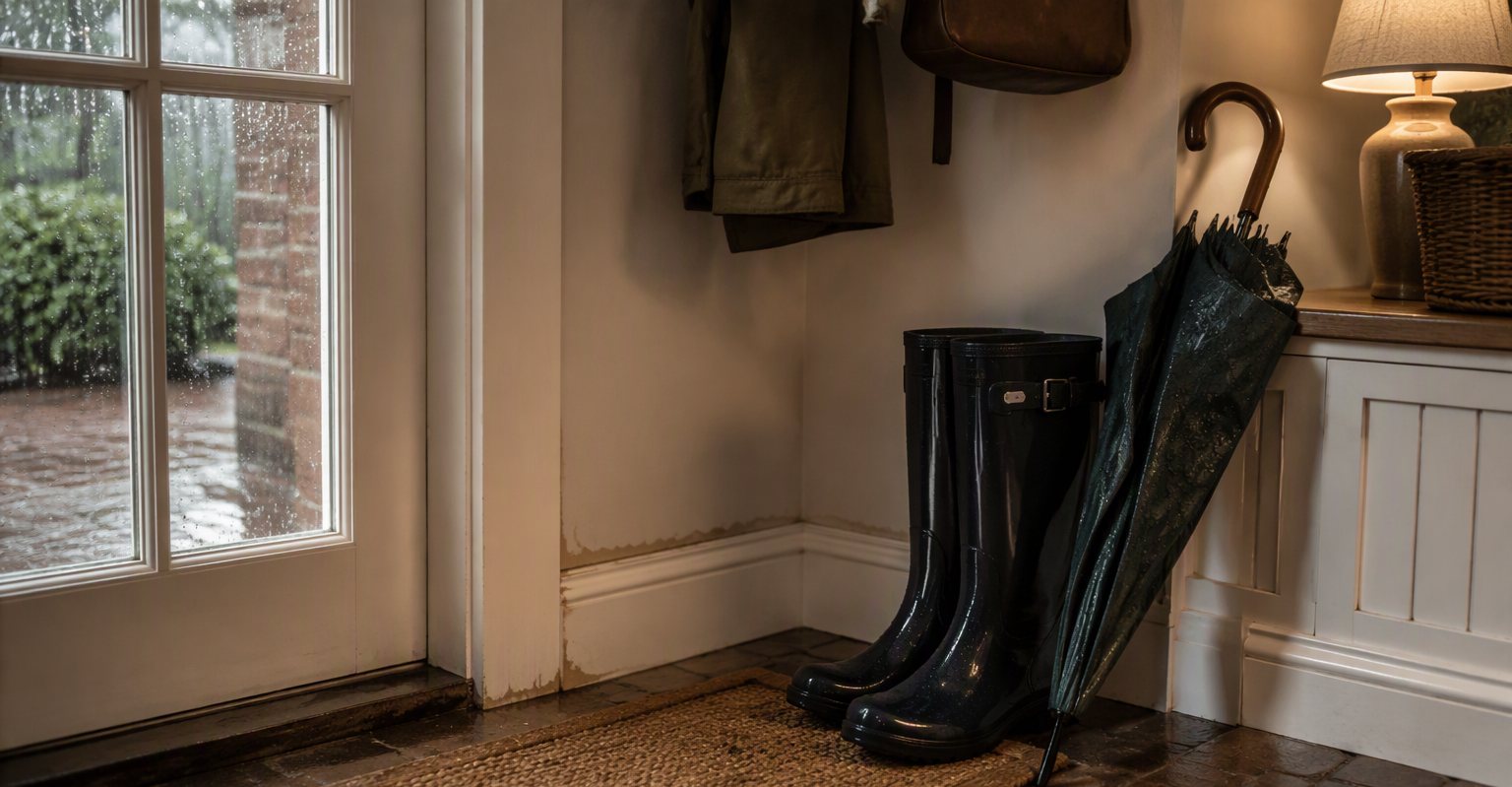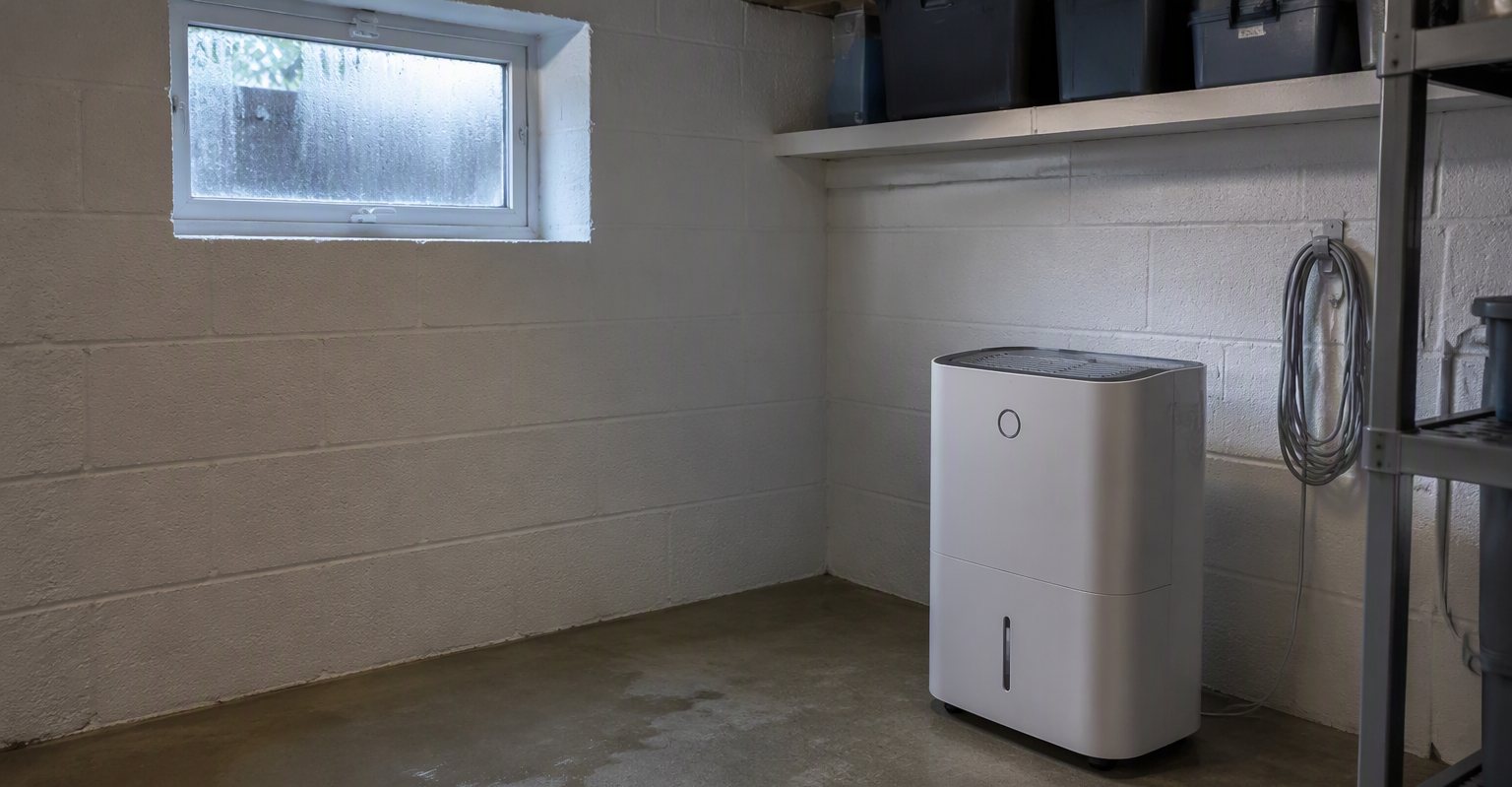

The gap nobody reads until it rains
A standard homeowner’s policy covers water that falls from above or bursts from within — roof leaks, burst pipes, appliance failures. It does not cover water that rises from the ground: creek overflow, flash flooding, storm surge of any kind. That’s flood, and flood is a separate policy, full stop. The confusion costs Upstate homeowners every tropical season, because Greenville doesn’t feel like flood country the way the coast does. Tell that to anyone near Richland Creek after a stalled system.
What flood insurance actually is
Most flood coverage in South Carolina comes through the National Flood Insurance Program, with a growing private market beside it. NFIP building coverage tops out at $250,000 for the structure and $100,000 for contents — a number that matters in a county where rebuild costs have climbed hard. There’s a standard 30-day waiting period before new coverage takes effect, which is the detail that hurts: you can’t buy it when the tropical system is already named and tracking inland. The time to price it is a clear week in spring.
What it costs in Greenville
Premium depends on your flood zone, elevation, and the house itself — the range in the Upstate runs from a few hundred dollars a year for low-risk-zone homes to several thousand in the mapped floodways along the Reedy and its feeders. Under FEMA’s Risk Rating 2.0, the price is property-specific now, not zone-blanket. An elevation certificate can cut the number meaningfully for homes that sit above base flood elevation. The honest move: look up your address on FEMA’s flood map, get an actual quote, and compare it against one out-of-pocket dry-out, which starts in the thousands and climbs past five figures with speed.
If the flood already happened and you’re uninsured
Document everything anyway — photographs before anything moves, every receipt, every communication. Disaster assistance, when a declaration comes, flows through FEMA and the SBA loan programs, and both run on documentation. And whether insurance pays or you do, the restoration math doesn’t change: extraction and verified drying in the first days is what keeps the number from doubling.