A burst line at breakfast, a thunderstorm pushing water under the door at midnight — water doesn’t wait, and neither does this line. A person answers around the clock, the crew arrives with extraction gear on the truck, and the dry-out is verified with meters, not guesswork. From the Reedy to the ridgeline — that’s the whole service map.
In Greenville’s humidity, wet drywall and carpet pad turn into a mold job in a day or two. These three moves keep a bad morning from becoming a bad month.
Pipe or appliance leak? Kill the main shutoff where the line enters the house. Storm or river water rising? Don’t wade in — move what you can carry upstairs and stay clear of outlets and wet panel boxes.
Describe where the water is and where it came from — the ceiling stain, the standing inch in the den, the water heater that let go. A person answers 24/7 and dispatch starts on the call, not in a callback queue.
Extraction first, then air movers and dehumidifiers set to a drying plan — with moisture-meter readings logged until the structure hits dry standard. Photos and readings document the whole job for your claim.
From the first pump to the final moisture reading — if water touched your Greenville home, this is the call that handles every stage of it.
Standing water out, surfaces sanitized, the home dried on a measured schedule — flash floods, Reedy overflows, and storm runoff handled start to finish.
Learn moreHigh-volume pumps and wands pull the water you can see — and the water hiding in carpet pad, subfloor, and wall cavities — before it wicks deeper.
Learn moreContainment, removal, and treatment that keeps spores from spreading through the house — and moisture fixes that keep it from coming back.
Learn moreCategory-3 water is a biohazard, not a mop job. Contaminated material out, full disinfection in, safe drying behind it.
Learn moreRoof openings, blown rain, and tropical-remnant flooding — the water-side damage made right, from tarp-to-dry-out coordination to the final repair.
Learn moreIce-storm bursts, split supply lines, failed water heaters — the cleanup and drying after the plumbing is stopped, fast enough to save the finishes.
Learn moreMoisture mapping, air movers, and dehumidifiers set to a drying plan — verified dry with meter readings, not guesswork, so mold never gets its start.
Learn moreSkip the reading. Tell us where it’s coming from — the ceiling, the crawl space, the supply line — and you’ll hear what happens next and how fast a crew reaches you.
Call (864) 713-0697Red-clay crawl spaces that hold water after a storm, ice-storm pipe bursts in January, summer thunderstorm clusters, and tropical remnants that push the Reedy over its banks — the drying plan fits the climate your home actually lives in.
Written, itemized, and approved by you before a single air mover gets plugged in — and the number doesn’t move mid-job. No surprises hiding in the invoice.
Moisture mapping finds the water hiding behind baseboards and under subfloor, and the dry-out isn’t done until the readings say so — the difference between a dried home and a mold job six weeks later.
Photos, moisture logs, and an itemized scope from the first visit — the paperwork an adjuster actually asks for, already in hand when they ask.
The phone is answered around the clock, every day of the year — because pipes burst at 9 p.m. on a Sunday, not Tuesday at ten.
Towns on the route — Greenville plus Berea, Easley, Fountain Inn, Greer, Mauldin, Simpsonville, Taylors, and Travelers Rest. Same standard, same written scope, everywhere on the map.
The mold clock in Upstate humidity — how fast wet drywall and pad turn into a second job. It’s why extraction starts tonight, not next week.
Extraction, drying, and the repair coordination behind it — one number carries the whole job, and the same line documents it for your insurance.
Greenville plus eight Upstate towns — from the mill-village cottages near downtown to the foothill homes up toward Travelers Rest. If the water’s in Greenville County, so are we.
What ice storms, flash floods, and a thousand wet crawl spaces keep teaching us.
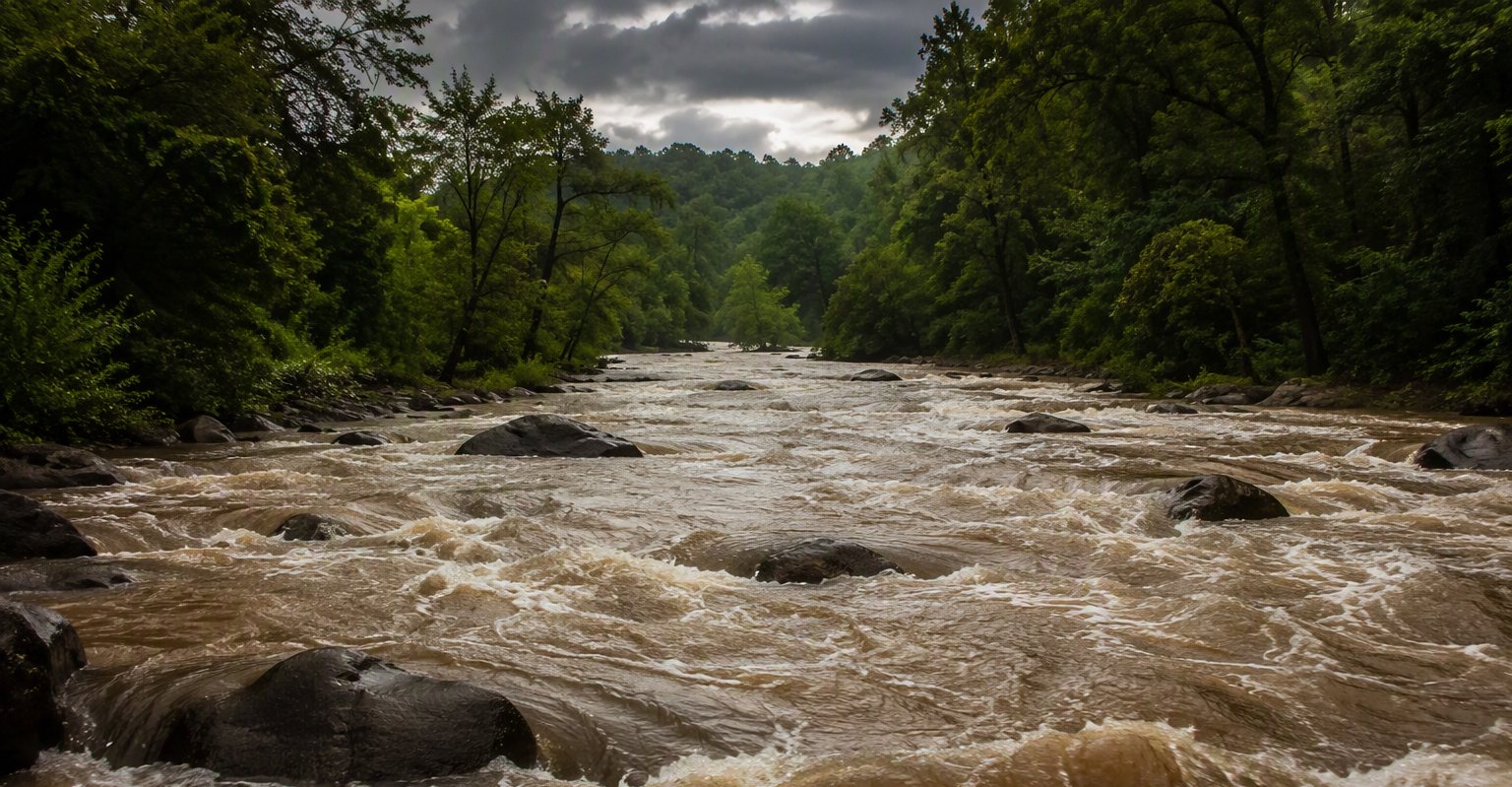
Flash flooding along the Reedy and its feeder creeks follows a pattern — here’s what it does to a house, hour by hour.
Read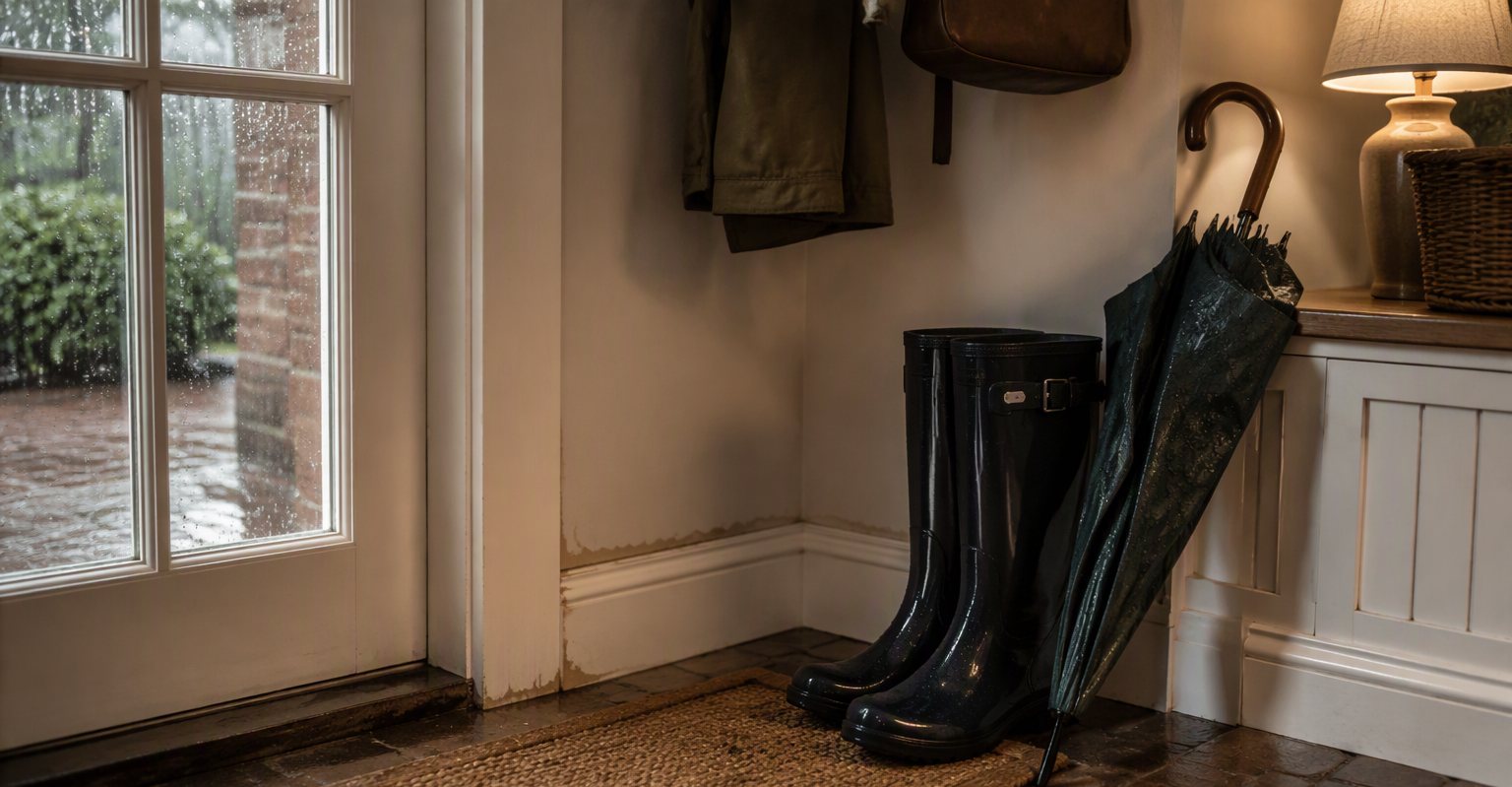
The rain stops, the ceiling looks dry — and the water is already in the wall. Where storm water hides in Upstate homes.
Read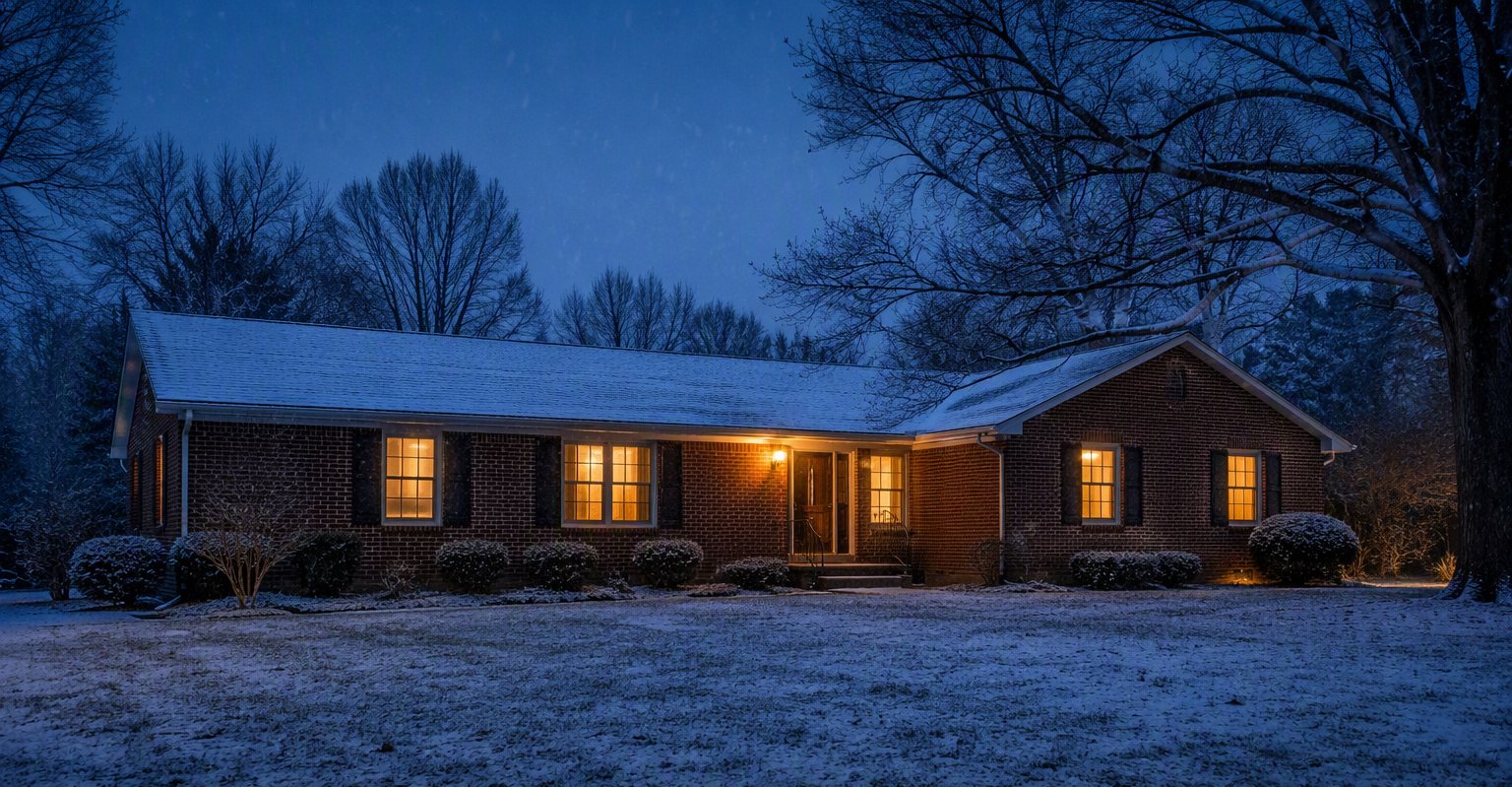
Greenville winters are mild until they aren’t. The routine that keeps a January cold snap from becoming a burst-pipe claim.
Read24/7 dispatch across Greenville County and the Upstate — extraction first, dry-out verified, scope in writing before work starts.